
What's Needed to See a House, and Why?

Because of open houses, most people assume they can walk into any home on the market, any time they want. In reality, there are more steps to be taken and some very important reasons behind them.
 Open houses are a risk the seller is taking
When a seller agrees to an open house, they're giving the listing agent permission to let the public walk through their home, and that's a real risk. The people who show up could be neighbors who are just curious, people who could never actually afford the home, open-house "hobbyists," or — worst case — someone casing the house.
Think about your own home for a second. If you were selling it, would you want strangers wandering through it? Would you be more comfortable with that if you knew, for certain, that every person walking through was actually qualified to buy it? That's exactly how sellers feel. They hire an agent specifically to vet who comes through, so that they're not cleaning the house, boarding the dog, and clearing out for the afternoon for someone who was never going to buy it in the first place.
It's not just about the seller's comfort, either. Agents take on real risk meeting strangers at empty houses. Real estate agents have been assaulted and even killed by people they met at showings with no way to verify who they actually were. So when an agent asks a few questions before setting up a showing, they're not being difficult; they're making sure everyone associated with that house — buyer, seller, and agent — is safe and that everyone's time is being respected.
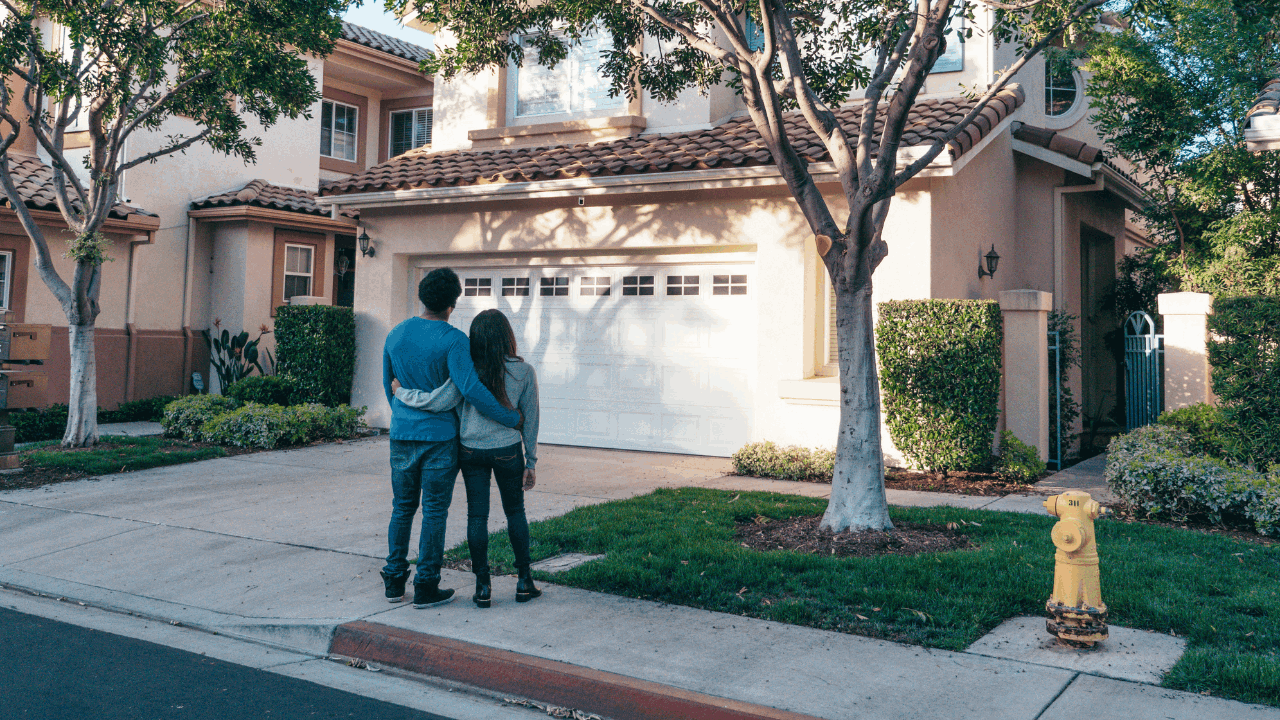 So what actually has to happen before you see a house?
This can vary slightly by state and by agent, but here's what a good agent in California does, at minimum, before showing you a home:
1. A buyer consultation. This is where your agent figures out if it even makes sense to start looking. If you're not ready financially, or your timeline doesn't line up, the homes you see today likely won't still be available by the time you are. Agents don't work for free, and it doesn't serve you well either to spend your energy touring homes before you're actually in a position to buy. This conversation usually happens somewhere public — an office, a coffee shop — both for your comfort and the agent's safety.
2. Pre-approval with a lender. This step takes some time and paperwork, but it does double duty: it confirms you're financially ready to buy, and because the lender verifies your identity, it also screens out anyone who isn't a serious, legitimate buyer.
3. A signed buyer representation agreement. In California, this is now the law — an agent can't show you a home without one in place. It spells out the agent's fees and both parties' responsibilities, and it can be scoped however you and your agent agree: one home, one week, a specific list of properties, or several months. Even if an agent were willing to skip the consultation or the pre-approval step, this agreement is a legal requirement.
It's about ethics, not bureaucracy
Beyond the legal requirements, Realtors® agree to an ethical standard that says we won't show homes to unqualified buyers. It comes down to respect — asking a seller to clean their home, board their pets, or pack up their kids and leave for an hour isn't fair if there's no real chance the person touring it can actually buy the home.
 And yes, the seller's schedule matters too
Wanting to see a house right now doesn't mean it's available right now. Sellers may need 24 hours' notice to prepare, may want their own agent present, or may have tenants living in the home (which legally requires at least 24 hours' notice in most cases). There are a lot of legitimate reasons a showing can't happen on your timeline.
None of this exists to make things difficult for buyers. It's there to protect everyone involved, and to make sure everyone's time and safety are respected.
Are you ready to start your home search or just have more questions about how the process works? Send me a message and let's connect. You can do so here.
Categories
Recent Posts









"My job is to find and attract mastery-based agents to the office, protect the culture, and make sure everyone is happy! "